CAMPBELLTOWN & MACARTHUR
TRAIN LIKE
YOU MEAN
BUSINESS.


Structured strength & conditioning for serious athletes and busy adults. No fluff - just expert programming, proper technique, and real results.
Personal Trainer
Fitness Plan
Strength Training
Transformation
Endurance
Cardio
COACH
Accredited Level 2 Associate

AUSactive
Level 3

TAFE Teacher
Health, Sport & Fitness
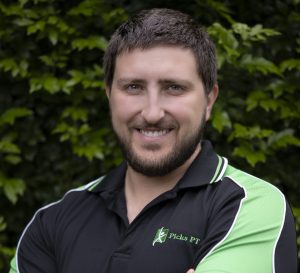
MEET NATHAN
PERSONAL TRAINER & OWNER - PICKS PT - SINCE 2014
With over 12 years in the health and fitness industry, Nathan built Picks PT on one principle: training should get results without breaking you down. He works with everyone from first-time gym goers to competitive athletes - and the approach is always the same.
Structure first. Technique always. Progression over ego.
STRUCTURED PROGRAMMING
Every session has a purpose and feeds the next
TECHNIQUE FIRST
Proper form before loading - every single rep
PROGRESSIVE OVERLOAD
Systematic strength development, no plateaus
LONG-TERM CONSISTENCY
Training habits that outlast any program
Push Beyond Limits, Build Strength, and Become the Best Version of Yourself Every Single Day.
THE PROBLEM
TIRED OF TRAINING HARD
AND GOING NOWHERE?
Most people hit a wall because their program isn't built for them. Generic apps, crowded gyms, and cookie-cutter routines don't cut it when you want real athletic performance.
Random workouts with no progressive structure
Picking up preventable injuries from poor technique
Zero accountability between sessions
No one adjusting the plan when life gets in the way
THE SOLUTION
Structured programming built around your sport and goals
Technique-first coaching to protect you from injury
Direct access to Nathan between sessions
Programs that adapt as you progress
Bodyweight Fitness
Achieve strength and flexibility using your own body as resistance.
Strength Training
Build muscle and enhance endurance with tailored weightlifting routines.
Cardio Workouts
Boost your cardiovascular health with high-intensity interval training (HIIT).
Flexibility & Mobility
Improve joint health and range of motion through stretching and mobility
REAL RESULTS
WHAT CLIENTS SAY

Have been training with Nathan for over a year and the results are amazing to say the least. he is great for beginners and advanced. This young man is well beyond his years with not just experience but understanding of your personal needs. He is always on time and ready to go with a workout plan. he makes the hard work fun and before you know it your session is over and you're feeling great. My body has gained muscle without doing any crazy weight session but in saying that I am much stronger. Don't hesitate - just book a session
MG
Long-term Picks PT Client
I've been training with Nathan online for over a year. He's an excellent instructor and explains techniques well including modifications and progressions. He has an excellent, well-rounded knowledge of fitness, a positive attitude, and a great sense of humour. Highly recommend for all your fitness needs.
Rachel D
Online Training Client
I feel more confident in myself and have more energy. I would never have thought that I would be able to run and do agility and endurance drills, do sit-ups and push-ups. I am a happier person - training really lifts your mood.
Sandra and Linda
Aged Care Workers - Picks PT Clients
WHAT WE OFFER
PICK YOUR
PROGRAM
Three focused tracks, each built around a specific type of training. Not sure which fits? The free assessment will tell you.
Personal Training for Busy Adults
Premium
Plan
2 x 30 min Session per week
AUD370.00 per month
The Premium Plan is designed for individuals seeking a more focused approach. It offers time-efficient tailored workouts and purposeful one-on-one coaching. This is ideal for adults aiming to get stronger, leaner, and more energetic without spending excessive time in a gym. The goal is to help you achieve your fitness goals more efficiently.
Personalised Training Sessions
Priority Scheduling Access
Regular Progress Assessments
60 min sessions available on request
Up and Coming Athlete - Youth
Strength & Conditioning
Plan
2 x 30 min Sessions per week
AUD400.00 per month
This program is designed specifically for junior level athletes aiming to reach the elite level. It focuses on improving speed, power, and endurance to enhance performance on the field.
Speed, power & explosive strength
Sport-specific movement patterns
Injury prevention & resilience
Peak performance periodisation
Regular progress assessments
3 day gym program - optional extra
60 min sessions - available on request
Elite Athlete
Strength & Conditioning
Plan (Advanced)
2 x 60 min Sessions per week
AUD865.00 per month
Competitive athletes can benefit from off-season and pre-season sport-specific programming. This type of training is designed to help athletes improve their speed, power, and endurance. It aims to enhance their performance and durability on the field. The focus is on optimizing athletic abilities for competitive play.
Speed, power & explosive strength
Sport-specific movement patterns
Injury prevention & resilience
Peak performance periodisation
Start & periodic testing
3 day gym program
FAQ
GOT QUESTIONS?
The most common things people ask before booking. If you questions isn't there, just call or email Nathan directly.
Do I need to already be fit to start?
Not at all. Programs are designed for all fitness levels, whether you're a complete beginner or a competitive athlete. The free assessment is specifically designed to figure out where you're starting from so the program fits you - not the other way around.
Where do sessions take place?
Nathan trains clients at outdoor parks and ovals across the Macarthur region - including Bradbury Oval, Macquarie Fields Park, and locations across Camden and Gregory Hills.
How often should I train each week?
Most clients see great results with 2-3 sessions per week. this depends on your goals, schedule, and recovery capacity. Nathan will recommend a realistic training frequency during your free assessment based on your lifestyle - not an ideal-world number.
What do I bring to a session?
Just comfortable workout clothes, a water bottle, and a positive mindset. Nathan provides or sources all equipment needed for your program. No gym membership required.
What does the free assessment actually involve?
It's a 30-minute in-person session where Nathan assesses your movement, fitness baseline, and goals. You'll leave knowing exactly which program track is right for you. There's zero obligation to continue after.
BLOGS
STAY INSPIRED WITH EXPERT TIPS AND FITNESS INSIGHTS

How Office Workers Can Undo 8 Hours of Sitting Every Day | Picks PT
Sitting all day can lead to back pain, poor posture and reduced mobility. Discover practical exercises and strength training tips to improve your health. ...more
Training
July 22, 2026•1 min read
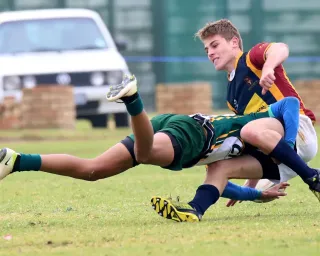
Why Winter Is the Best Time to Build Strength for Summer Sports | Picks PT
Discover why winter is the ideal time to build strength, improve athletic performance and reduce injury risk. Learn how off-season training prepares you for success. ...more
Training ,Winter Sports
July 14, 2026•1 min read

Winter Nutrition Macarthur: Fuel Your Body with Picks PT
Boost immunity & energy this Macarthur winter! Get expert nutrition tips for healthy, warming meals from Picks PT Personal Training in Camden & Campbelltown. ...more
Training ,Nutrition
July 07, 2026•2 min read
Unleash Your Potential, One Workout at a Time
Join the Fitness Revolution Today and Achieve Your Health and Strength Goals with Expert Guidance.
Transform your body and mind with personalized training plans designed for every fitness level. Take the first step towards a healthier, stronger, and more confident you.
We offer expert personal training and athletic development in Campbelltown and the Macarthur region. Our commitment is to help you achieve your fitness goals with expert guidance and personalized support at every step. Let's work together to build a healthier, stronger you. We are AUSactive accredited and have been in business since 2014.


Quick Links
Training Hours
Mon-Fri AM
5:30am-7am
Mon-Fri PM
5pm-8pm
Sat-Sun
Closed
Locations
Bradbury Oval
The Parkway, Bradbury
Macquarie Fields Park
Second Avenue, Macquarie Fields
0420 998 460
|
|